A holistic, play-based early learning system that builds strong foundations in literacy, numeracy, creativity, emotional well-being, and social intelligence for preschool and kindergarten children across the preschool curriculum USA landscape. Designed to nurture the whole child while igniting a genuine passion for lifelong learning, this system reflects the true heart of Waldorf-inspired learning, adapted for the modern curriculum USA environment.

The Complete Early Learning System for Preschool and Kindergarten Success
Why Today’s Children Need a Different Learning Environment

Modern children grow up in a highly stimulating world filled with digital noise, fast information, and constant comparison. Their emotional needs, attention patterns, and social experiences are vastly different from previous generations. They require learning environments that provide a healthy balance between structure and freedom, protect childhood through age-appropriate learning, foster hands-on real-world experiences, strengthen emotional foundations alongside cognitive growth, and offer safe spaces for self-expression and social connection.
A balanced early learning environment does not compete with childhood—it protects it. It allows children to grow at their natural pace while nurturing deep internal security and confidence. This is the core strength of Waldorf early childhood education and its global success across Waldorf schools around the world.Early Learning Programs Designed for Each Stage of Childhood
Children do not grow in straight lines. Their emotional, physical, social, and cognitive needs shift rapidly in early life. A strong early learning system must be designed stage by stage, supporting each developmental phase with the right balance of care, challenge, and discovery. When learning matches developmental readiness, children grow confident rather than anxious, curious rather than fearful, and motivated rather than forced.
Preschool Program (Ages 3–4): Learning Through Exploration and Play
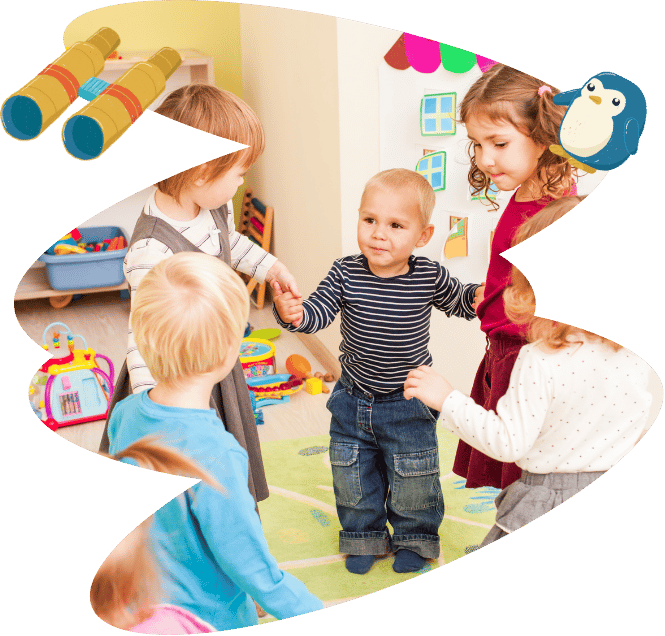
The preschool years introduce children to structured learning through imitation, movement, sensory exploration, storytelling, and imaginative play. The focus is on emotional security, social connection, and joyful participation rather than performance.
Language, emotional awareness, and social skills grow through songs, stories, cooperation, and group play. Physical and sensory development strengthens through climbing, balancing, drawing, and hands-on experiences.

Kindergarten Program (Ages 5–6): Building Academic Readiness With Confidence
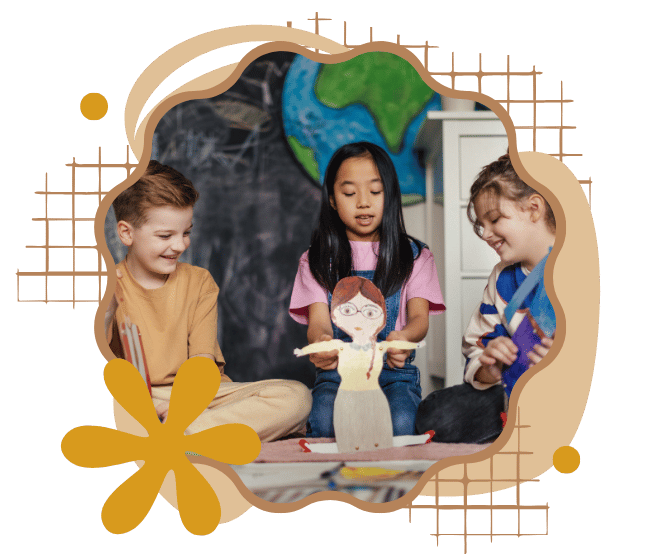
Kindergarten bridges free play and structured learning, supporting children’s natural readiness for focused activities while keeping joy at the center. Early literacy and numeracy grow through phonics, storytelling, real-life problem solving, and hands-on exploration.
Children develop logical thinking, independence, teamwork, and emotional resilience. Creativity thrives through art, music, movement, and Waldorf-style painting, which supports emotional and cognitive growth.
Smooth Transitions Between Learning Stages
Transition stress is one of the most overlooked causes of learning anxiety in children. A stage-designed system ensures gradual increases in complexity, emotional readiness before academic demands, familiar routines mixed with new challenges, and supportive guidance instead of sudden expectations. Children move forward with confidence rather than fear.

Learning That Matches Development, Not Comparison
Every child develops at a unique pace. A stage-based system respects this reality by guiding each child based on individual learning speed, emotional maturity, social readiness, physical coordination, and personal interests rather than ranking or competition. When learning follows development instead of comparison, long-term outcomes become stronger and more sustainable.

Preparing Children for the Next Level of Education
Children who complete a stage-wise early learning system enter primary education with strong listening and comprehension skills, confidence to ask questions, independence in routines, social readiness for group learning, and emotional strength to handle challenges. These are the true markers of school readiness.
A Modern Approach to Early Childhood Education That Nurtures the Whole Child
Today’s children are growing up in one of the fastest-paced, technology-driven eras in human history. While digital access has increased rapidly, the core developmental needs of early childhood—emotional safety, physical movement, creativity, imagination, social bonding, and meaningful play—are increasingly at risk of being overshadowed by screens, pressure, and early academic competition. A truly modern early learning system must do more than teach children how to read and count. It must nurture the whole child—mind, body, heart, and character.
Early childhood is the most powerful phase of human development. Neuroscience confirms that during the first six years of life, a child’s brain forms millions of connections every second. These early connections shape how children think, regulate emotions, communicate, build relationships, and approach learning for the rest of their lives. This is why a balanced early learning system must be intentional, development-driven, emotionally responsive, and never rushed.
A true whole-child learning approach ensures that emotional well-being comes before academic pressure, play is recognized as the foundation of learning rather than a reward, real-life experiences replace passive screen exposure, creativity and movement become core learning tools, and strong social relationships form the base for confidence and communication. This philosophy reflects the heart of the Waldorf approach to learning, respected worldwide for its child-centered wisdom.
Why Today’s Children Need a Different Learning Environment
Modern children grow up in a highly stimulating world filled with digital noise, fast information, and constant comparison. Their emotional needs, attention patterns, and social experiences are vastly different from previous generations. They require learning environments that provide a healthy balance between structure and freedom, protect childhood through age-appropriate learning, foster hands-on real-world experiences, strengthen emotional foundations alongside cognitive growth, and offer safe spaces for self-expression and social connection.
A balanced early learning environment does not compete with childhood—it protects it. It allows children to grow at their natural pace while nurturing deep internal security and confidence. This is the core strength of Waldorf early childhood education and its global success across Waldorf schools around the world.
Key Developmental Benefits for Young Learners
Emotional and self-development:
Balanced early learning nurtures strong emotional foundations in young children. They gradually build self-awareness, self-confidence, emotional regulation, and inner security in a calm, nurturing environment. By progressing at their own natural pace, children develop resilience, patience, and emotional balance without fear of comparison or pressure. These early emotional strengths support mental well-being, decision-making, and adaptability throughout life.
Social skills and healthy relationships
Through collaborative projects, group play, shared routines, and community-based activities, children learn cooperation, empathy, respect, and positive social interaction. They develop essential communication skills, social awareness, turn-taking abilities, and relationship-building capacities. These experiences form the foundation for strong interpersonal skills, teamwork, and emotional intelligence in later academic and social settings.
Cognitive development and thinking skills
Hands-on learning, play-based exploration, and sensory-rich experiences strengthen thinking, reasoning, memory, attention, and problem-solving abilities. Children learn by doing, observing, and experimenting rather than memorizing information mechanically. This experiential approach builds deeper understanding, stronger retention, and meaningful learning, creating a powerful foundation for later academic success.
Language and communication skills
Imaginative play, storytelling, conversation, songs, rhymes, and expressive arts naturally enhance both expressive language (speaking, storytelling, verbal confidence) and receptive language (listening, comprehension, understanding). Early learning environments rich in sensory experiences and real communication support natural language acquisition, strong vocabulary development, clear expression, and confident communication.
Physical development and coordination
Daily movement activities such as dancing, climbing, balancing, outdoor play, and rhythmic movement strengthen gross motor skills, coordination, body awareness, endurance, and balance. Fine motor skills are developed through handwork such as drawing, crafts, threading, and finger plays. Real-world activities like sweeping, stirring, gardening, and carrying also integrate body and mind development, promoting steady physical growth and healthy muscle control.
Creativity, imagination, and original thinking
Artistic and imaginative activities, including art, music, drama, storytelling, and creative craftwork, nurture originality, innovation, and a rich imagination. A holistic, interdisciplinary learning approach that blends movement, nature, arts, and academics helps children think flexibly, see connections between ideas, and approach challenges from multiple perspectives. This builds adaptive thinking and creative problem-solving ability.
Love of learning and holistic growth
When early education prioritizes play, sensory exploration, creativity, nature connection, and emotional well-being over academic pressure, children remain joyful, curious, and motivated. They develop a lifelong love for learning instead of a fear of performance. This balanced foundation supports not only academic readiness but also emotional resilience, confidence, curiosity, and a positive attitude toward learning that lasts into adulthood.
Why Today’s Children Need a Different Learning Environment
Modern children grow up in a highly stimulating world filled with digital noise, fast information, and constant comparison. Their emotional needs, attention patterns, and social experiences are vastly different from previous generations. They require learning environments that provide a healthy balance between structure and freedom, protect childhood through age-appropriate learning, foster hands-on real-world experiences, strengthen emotional foundations alongside cognitive growth, and offer safe spaces for self-expression and social connection.
A balanced early learning environment does not compete with childhood—it protects it. It allows children to grow at their natural pace while nurturing deep internal security and confidence. This is the core strength of Waldorf early childhood education and its global success across Waldorf schools around the world.
Why Traditional Preschool Education Is No Longer Enough
For decades, traditional preschool education has followed a standardized, one-size-fits-all classroom model. While this system once served a purpose, the needs of modern children—and the future they are preparing to enter—have changed dramatically. The world now values creativity, emotional intelligence, adaptability, collaboration, and problem-solving far more than memorization alone. Unfortunately, many traditional preschool models still emphasize rote learning, worksheets, rigid structure, and early academic pressure while neglecting vital areas of child development.
In many conventional systems, success is measured by how early a child can read, write, or calculate rather than how well they can think, express themselves, collaborate, regulate their emotions, and explore with curiosity. This narrow definition of success creates silent developmental gaps that often emerge later as anxiety, low self-confidence, behavioral struggles, or disengagement from learning.
The limitations of many traditional models include passive learning over active exploration, academic results prioritized over emotional health, limited creative expression through art and movement, rigid schedules that ignore individual rhythms, and minimal focus on life skills and social development. Early academic pressure may produce short-term results, but research consistently shows long-term consequences such as increased learning anxiety, reduced creativity, diminished curiosity, emotional burnout at young ages, and weaker long-term retention.
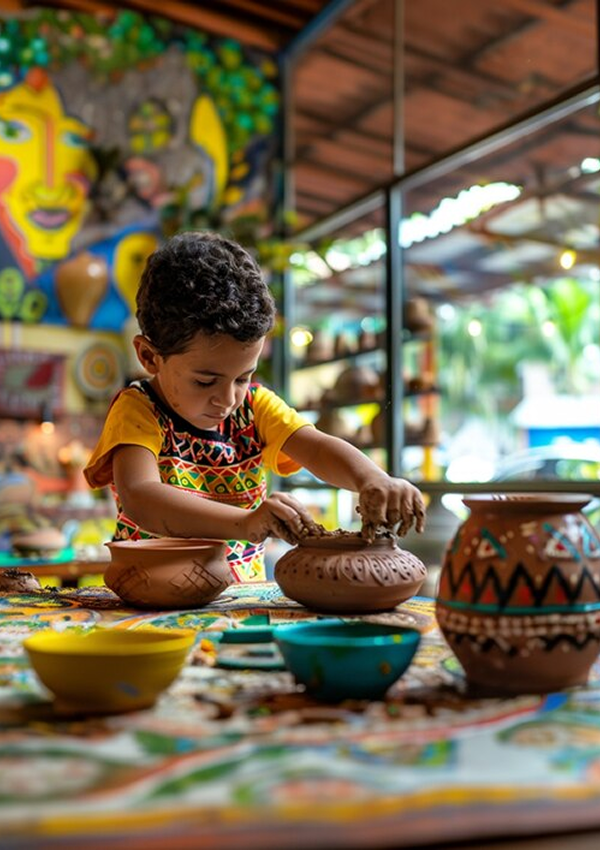
Why Today’s Children Need a Different Learning Environment
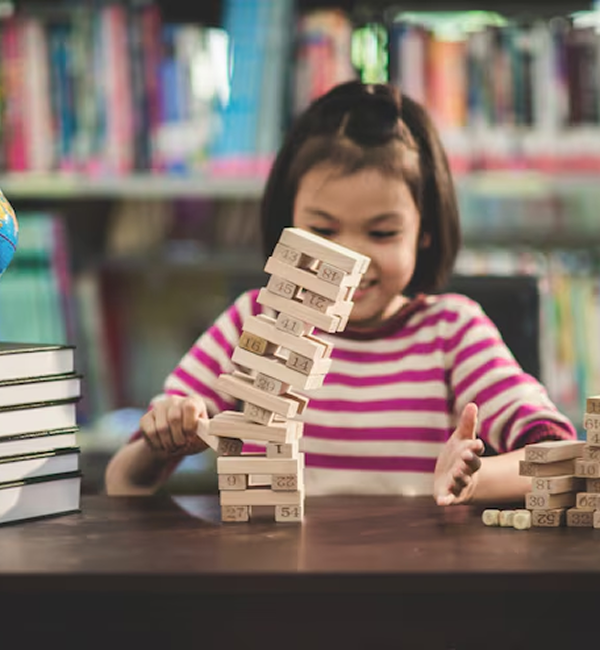
True development does not occur through pressure, comparison, or rigid academic routines. It unfolds when children feel safe, emotionally supported, curious, and free to explore their environment meaningfully. A balanced system respects how children naturally grow—step by step, through movement, imitation, relationships, emotional security, and purposeful activity.
A truly balanced system does not choose between academics and emotional growth. It understands that these two are deeply interconnected. When children feel emotionally safe, their attention, memory, communication, and problem-solving capacities strengthen naturally. Learning becomes joyful rather than stressful, and progress becomes sustainable rather than forced.
Learning that grows with the child blends purposeful play with guided learning, creativity with foundational academic skills, physical movement with cognitive development, social interaction with communication skills, and emotional awareness with self-confidence. In this system, play is not a break from learning—it is learning itself.
Key Benefits for Your Child & Classroom
Total Child Development
Our curriculum supports complete emotional, social, cognitive, physical, and creative growth, ensuring children thrive in a balanced and nurturing learning environment.
Emotional Strength & Confidence
Children build emotional security, self-confidence, resilience, and self-regulation in a safe, emotionally supportive setting.
Social Awareness & Cooperation
Through daily group activities, children develop cooperation, respect, communication skills, and healthy relationship habits.
Creativity & Imagination
Artistic expression, storytelling, music, and hands-on exploration stimulate imagination and original thinking.
Strong Problem-Solving Skills
Children learn to think independently, explore solutions, and apply critical thinking through practical, real-world learning experiences.
Seamless Adaptation Across Learning Settings
The program integrates smoothly with preschool curriculum USA, daycare centers, homeschool families, and all Waldorf-inspired classrooms or home learning spaces.
Stress-Free Teaching Experience
Educators receive clearly structured lesson plans, rhythm-based schedules, guided activities, and practical classroom flow systems for smooth daily instruction.
Easy Implementation for New Educators
Even teachers new to Waldorf education can implement the program confidently through detailed guidance and professional training support.
Independence & Responsibility
Children develop independence, self-discipline, responsibility, and accountability through meaningful daily routines.
Building the Right Foundation at the Right Time
Early childhood is not about how early a child reads or writes. It is about how well a child develops attention, memory, emotional strength, resilience, social confidence, physical coordination, and a natural love for learning. These foundations determine long-term academic success far more than early formal academics.
A system that focuses on whole-child development supports growth across five core areas: cognitive development, emotional awareness, social intelligence, physical coordination, and creative imagination. Routine provides security, flexibility nurtures exploration, and both work together to support balanced growth.
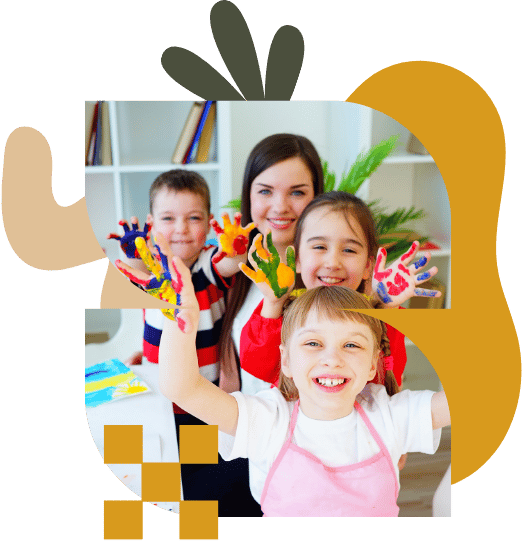
Play Is Not a Break From Learning—It Is Learning
In early childhood, play is the most powerful learning tool. Through play, children naturally develop language, early math awareness, logical thinking, problem-solving, cooperation, empathy, imagination, emotional expression, and self-regulation. Play integrates the whole brain and body in ways that no worksheet ever can. This principle lies at the very core of Steiner learning and the Waldorf way of teaching.
Through imaginative play, storytelling, rhythm, movement, and creative expression, children gain deep internal understanding rather than superficial memorization. This builds learning that lasts.
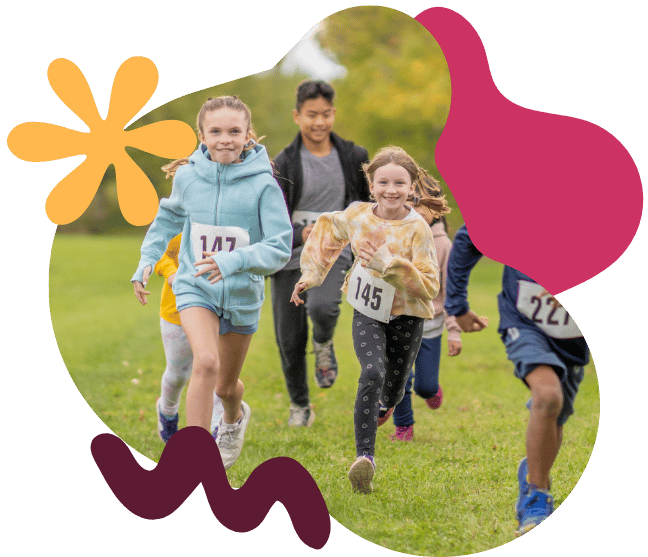
Preparing Children for a Changing Future
The future demands far more than memorized facts. Children must develop critical thinking, adaptability, communication, emotional intelligence, creativity, and problem-solving abilities. A balanced early learning system equips children with these skills not through pressure, but through meaningful daily experiences rooted in the Waldorf approach to learning.
A truly balanced system respects childhood rather than rushing it, encourages growth without pressure, builds confidence without fear, teaches discipline without punishment, promotes learning without comparison, and develops independence without isolation.
The Core Foundations of Waldorf-Inspired Learning
Waldorf-inspired education is carefully structured around how children naturally grow and learn. Instead of imposing rigid academic goals too early, it nurtures development through age-appropriate stages that align with physical, emotional, and cognitive growth.


How Children Learn Best in the Early Years
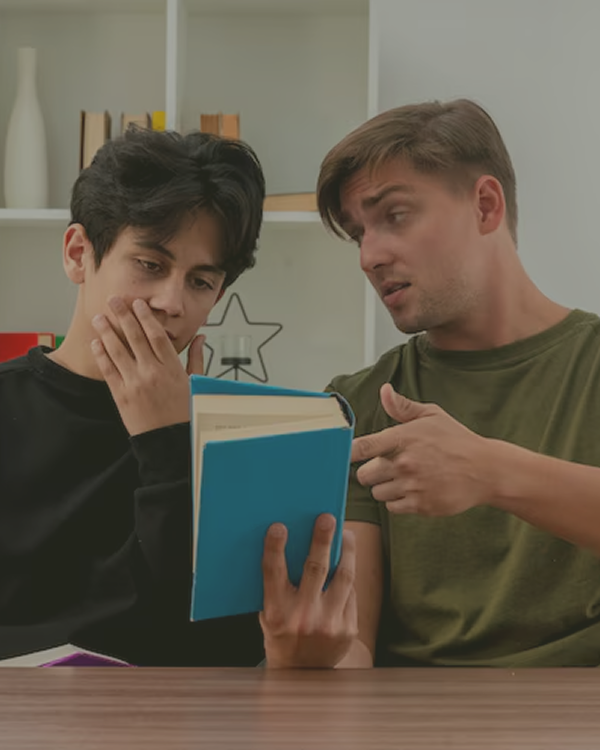
Young children do not learn the way adults do. They do not thrive on lectures, pressure, or repetition alone. They learn through experience, movement, emotion, imitation, relationships, rhythm, and curiosity. In the first six years of life, every sound, movement, interaction, and emotion shapes their internal world. Learning aligned with these natural processes leads to deep understanding and confidence.
Play allows children to explore, experiment, express feelings, solve problems, and develop thinking skills. Emotional safety opens the door to intellectual growth. Strong adult-child relationships build trust and self-worth. Movement strengthens neural pathways connected to attention and self-control. Imitation teaches behavior, language, and social habits. Rhythm and routine provide security and focus. Language grows through conversation, storytelling, singing, and meaningful dialogue.
Complete Teaching Support and Classroom Guidance
The success of any Waldorf early childhood curriculum or the best Waldorf curriculum depends on the confidence and support of educators. Teaching young children requires more than delivering lessons—it demands emotional intelligence, flexibility, observation skills, patience, and clear structure. When teachers are fully supported, classrooms become calm, predictable, joyful, and highly effective.
Teachers receive guidance in lesson planning, daily rhythm design, positive classroom management, observation and assessment, and responsive teaching strategies. Discipline is replaced with guidance, fear with trust, and pressure with understanding. Ongoing professional development ensures that educators continue to grow alongside their students.
When teachers feel supported, children sense stability, confidence, and safety—key conditions for deep learning.
Why Today’s Children Need a Different Learning Environment
A child’s learning does not end at the classroom door. Parent engagement is the cornerstone of successful early childhood education. When families actively participate in the learning process, children feel emotionally secure, valued, and motivated. This partnership strengthens confidence, builds routine consistency, and reinforces development at home.
Parents receive guidance for supporting learning through daily activities rather than academic homework. Orientation programs help families understand child development. Transparent communication builds trust. When schools and parents align emotionally and educationally, children experience powerful emotional stability.
Parent Tips That Support Lifelong Learning
Parents play an essential role in shaping a child’s lifelong relationship with learning. In the philosophy of Waldorf Education, the home environment is considered just as important as the classroom. When families align daily life with the same values of rhythm, imagination, emotional security, and purposeful activity, children experience a deep sense of continuity, confidence, and belonging. These foundations do far more than support academic readiness—they nurture resilient, curious, compassionate, and self-motivated learners for life.
Create Consistent Daily Rhythms
Children thrive on predictability and gentle structure. Regular rhythms for waking, meals, play, rest, and bedtime create emotional security and reduce anxiety. When children know what to expect, they feel safe, grounded, and more open to learning. Simple routines such as morning walks, shared meals, evening story time, and predictable sleep schedules help regulate their nervous system and build healthy long-term habits.
Limit Screen Time and Protect Imagination
Excessive screen exposure reduces creative thinking, attention span, and emotional regulation in young children. In early childhood, real-life experiences should always come before digital stimulation. Reducing screen time allows space for imagination, sensory exploration, language development, and social interaction to flourish naturally.
Make Storytelling a Daily Family Ritual
Parents can share traditional folktales, nature stories, or gently created family stories. Reading aloud daily—especially before bedtime—creates not just learning benefits but also a strong emotional connection between parent and child. These shared moments of calm attention play a major role in a child’s emotional security and future love for books and learning.
Encourage Daily Nature Connection
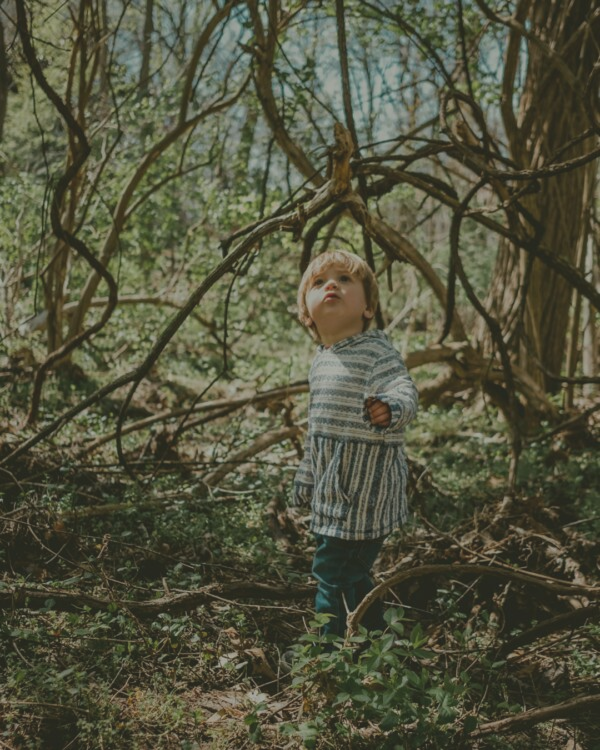
Simple nature-based activities such as collecting leaves, gardening, observing insects, playing in sand or water, and walking barefoot on grass provide profound developmental benefits. These experiences support both physical health and emotional grounding while strengthening a child’s relationship with the natural world.
Support Imaginative and Open-Ended Play
Imaginative play is the “work” of early childhood. Through play, children process emotions, build problem-solving skills, practice social roles, and develop resilience
Involve Children in Real-Life Activities
The activities build practical life skills, responsibility, coordination, patience, and self-esteem. Children feel valued when they contribute meaningfully to family life, and this sense of purpose strengthens both character and confidence.
Partner Actively with Teachers
Strong parent–teacher collaboration ensures consistency between school and home. Maintain regular communication, attend meetings, and apply home-support guidance provided by educators. When children see their parents and teachers working together, they feel supported and secure in every learning environment.
Remember: Childhood Is Not a Race
One of the most important principles inspired by Rudolf Steiner is that each child develops at their own natural pace. Avoid comparisons, pressure, or rushing milestones. Trust that strong emotional foundations, rich play experiences, and loving guidance will naturally lead to confiden
Academic Support for New and Existing Preschools
Building or running a successful preschool involves far more than space and staff. It requires clear academic vision, structured curriculum, consistent teaching methods, assessment systems, parent communication strategies, and continuous improvement planning. Academic support ensures that both new and existing schools maintain quality, clarity, and alignment with developmentally appropriate standards.
This support strengthens teaching consistency, improves learning outcomes, increases parent satisfaction, and builds long-term school trust.
What Is Waldorf Early Learning Curriculum?
The Waldorf early childhood curriculum is a holistic educational approach inspired by the teachings of Rudolf Steiner and practiced worldwide in Waldorf schools. At Waldorf Early Learning Curriculums™, we translate this globally respected philosophy into a practical, structured, and beautifully designed learning system for today’s classrooms and homeschool environments.
Our Waldorf early childhood education model is built on slow, meaningful learning where children grow naturally through rhythm, imagination, movement, sensory experiences, and emotional connection. Instead of early academic pressure, children are guided toward balanced development through storytelling, creative play, music, nature, and hands-on activities.
The Waldorf approach to learning recognizes that children learn best when their hearts are engaged before their intellect is challenged. This creates confident, emotionally secure learners who carry curiosity and creativity into every stage of life.
Why Families Search for Waldorf Education
As more parents seek emotionally balanced, holistic education, searches for Waldorf education near me continue to rise across the USA. Families are increasingly drawn to the nurturing, creative, child-centered approach of Waldorf schools and Waldorf-inspired learning environments. They want education that builds character before competition, imagination before memorization, and emotional intelligence before academic pressure.
This growing demand reflects a shift in how families view early education—not just as preparation for school, but as preparation for life.
Inspiring Young Hearts Through Timeless Waldorf Early Learning
Waldorf Early Learning Curriculum is your trusted destination for the best Waldorf curriculum in the USA, thoughtfully created for families, educators, preschools, and Waldorf-inspired homes. Rooted in the timeless principles of Waldorf education, Steiner learning, and the authentic Waldorf way of teaching, our programs nurture not only academic growth but also the emotional, social, physical, and creative development of every child.
Our mission is to awaken a deep passion for lifelong learning in young children by offering a curriculum that honors childhood as a sacred, meaningful, and joyful stage of life. Across the curriculum USA landscape, our Waldorf-inspired learning systems stand as a trusted bridge between classical education philosophy and modern child development needs.
A Curriculum Designed for the Whole Child
Our Waldorf-inspired learning programs are designed to develop the complete child rather than isolating academic skills. Children naturally explore literacy, numeracy, and cognition through movement, art, rhythm, and imagination rather than rigid worksheets or screen-based learning.
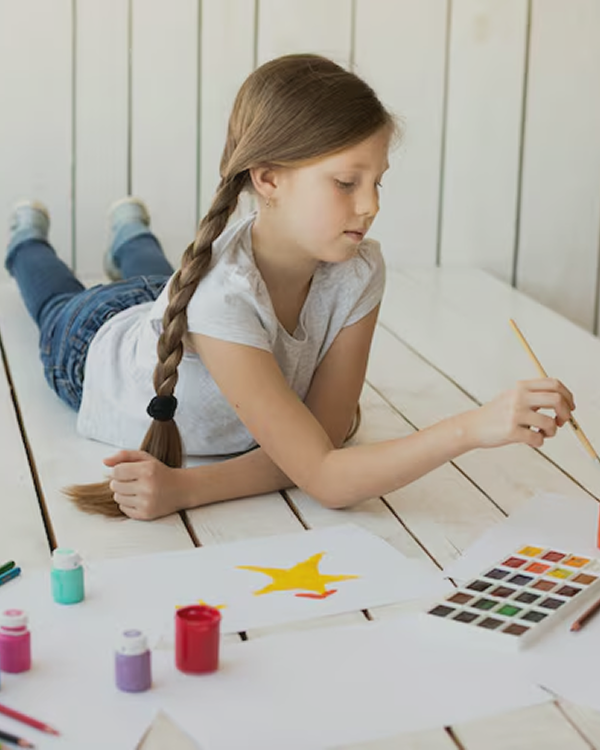
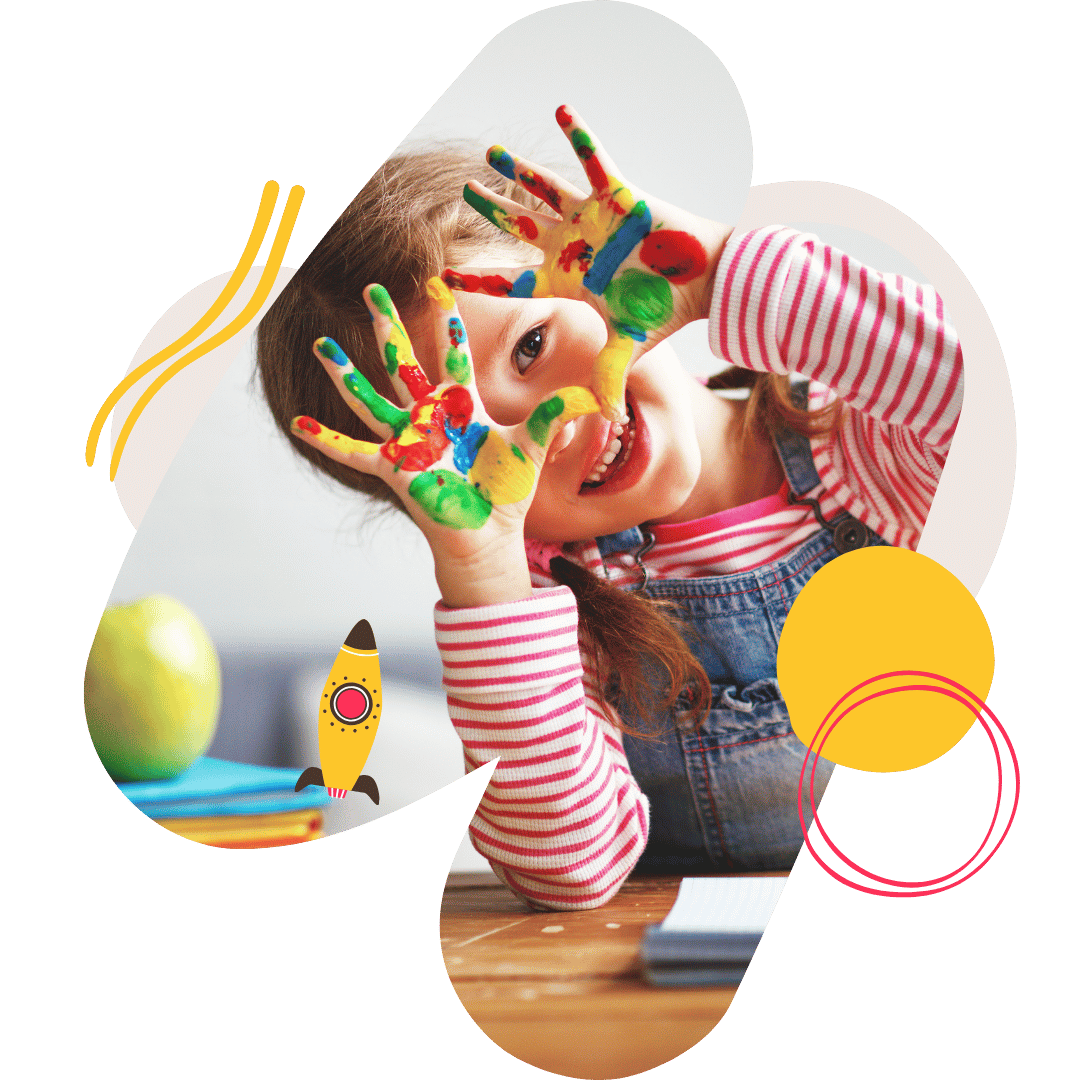
The learning experience emphasizes sensory development, emotional intelligence, social harmony, creativity, and physical growth alongside early academic readiness. Activities such as painting in Waldorf education, storytelling, music, gardening, and imaginative play help children form a deep connection to both learning and the world around them.
This holistic model ensures that learning is never forced—it unfolds organically with respect for each child’s inner rhythm and developmental stage.
Our Services
At Waldorf Early Learning Curriculums™, our services are built around one core belief: true education nurtures the whole child, not just academic outcomes. Every service is grounded in real classroom experience, child development science, and the authentic principles of the Waldorf way of teaching.
Preschool Curriculum Program (Ages 3–4)
This program emphasizes learning through play, storytelling, rhythm, movement, and hands-on exploration. At this stage, children build emotional security, early language skills, social awareness, and sensory awareness through joyful daily experiences.
Kindergarten Curriculum Program (Ages 5–6)
Our kindergarten program gently introduces structured learning while protecting the innocence of childhood. Early literacy, numeracy, reasoning, creativity, teamwork, and responsibility develop naturally through experiential learning.
Teacher Training & Professional Development
We empower educators with a deep understanding of child psychology, classroom rhythm, observation skills, positive discipline, and parent communication—ensuring consistent, high-quality learning environments.
Academic Support for New & Existing Preschools
We provide complete academic planning, classroom system design, methodology guidance, assessment frameworks, and continuous growth support for schools seeking long-term success.
Customized Curriculum Development
Every institution is unique. We design custom Waldorf inspired learning programs aligned to your school’s vision, student community, and educational goals.
Learning Materials & Teaching Resources
We offer structured manuals, lesson planners, creative activity guides, storytelling resources, and child observation tools that simplify teaching and enhance engagement.
Parent Engagement & Child Development Support
Our programs actively involve parents through orientation sessions, home-learning guidance, emotional development awareness, and transparent communication systems.
Ongoing Academic Monitoring & Growth Support
We provide continuous quality reviews, curriculum refinement, outcome evaluation, and teaching support updates to keep learning aligned with modern education standards.
Why Choose Waldorf Early Learning Curriculums™?
Families, educators, and institutions across the U.S. early education market choose Waldorf Early Learning Curriculums™ because we deliver an authentic, research-based, and practically implementable Waldorf-inspired education system that produces measurable long-term developmental results. Our philosophy stands on a powerful balance—honoring the timeless foundations of Waldorf Education while fully aligning with the academic, social, and regulatory expectations of modern American education.
Our curriculum is not a simplified adaptation—it is a faithful, developmentally grounded program rooted in the original educational principles of Rudolf Steiner and strengthened through contemporary child psychology and neuroscience. Every learning experience is thoughtfully created to support the whole child—mind, body, and spirit—at every stage of early development.

Building a Passion for Lifelong Learning
The ultimate goal of early education is not early academics—it is building a passion for lifelong learning. When children associate learning with joy, safety, creativity, and connection, they remain curious, motivated, and resilient throughout life. This internal motivation becomes far more powerful than external pressure or grades.
The Role of Painting and Creative Arts in Waldorf Learning
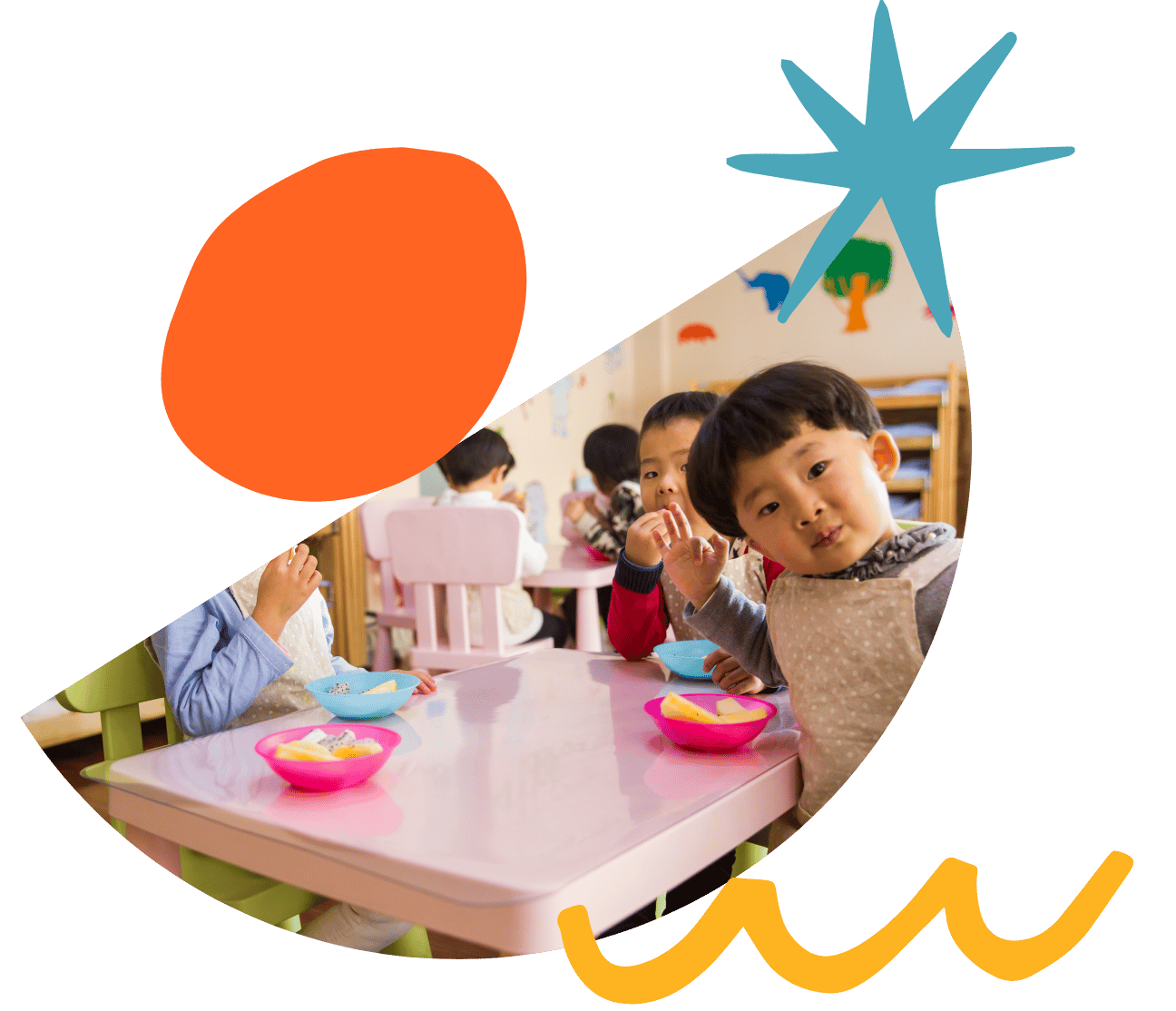
Creative expression is not an optional enrichment—it is a core developmental necessity. Painting in Waldorf education supports emotional literacy, sensory integration, fine motor skills, imagination, and internal balance. Through color, form, and movement, children express feelings that words cannot yet convey. These creative experiences strengthen both emotional intelligence and cognitive flexibility.
Why the Waldorf Early Childhood Curriculum Works Globally
The Waldorf early childhood curriculum has succeeded for over a century across cultures because it is rooted in universal principles of human development rather than trends. The Waldorf way of teaching respects natural growth, emotional rhythm, imagination, and childhood wisdom. This makes it adaptable across societies, especially within the diverse curriculum USA environment.
Blog & Latest News
Our blog offers expert insights into Waldorf education, early childhood development, creative learning, emotional growth, and practical teaching methods for both parents and educators.

Frequently Asked Questions
Our programs serve children from ages 2 to 6, covering both preschool and kindergarten stages.
It is a balanced blend of play-based exploration and structured learning readiness, rooted in the Waldorf approach.
Yes, our program adapts easily to preschools, kindergartens, daycare centers, and homeschool environments.
No special certification is required. We provide full training and classroom guidance.
Yes, continuous professional development and classroom mentoring are included.
Absolutely. We tailor programs to suit your school’s philosophy and community needs.
Progress is tracked through observation-based developmental assessment rather than exams.
Yes, it removes early performance stress and builds natural readiness for future learning.
Through cooperative play, storytelling, group activities, rhythm, and guided interaction.
Yes, parents receive regular developmental feedback and home-support guidance.
Yes, it is fully aligned with current developmental psychology research and learning benchmarks.
Yes, we offer complete academic planning and startup support.
Yes, daycare centers can successfully implement our Waldorf-inspired system.
Most schools complete full implementation within a few weeks with training support.
Why Waldorf-Inspired Learning Matters
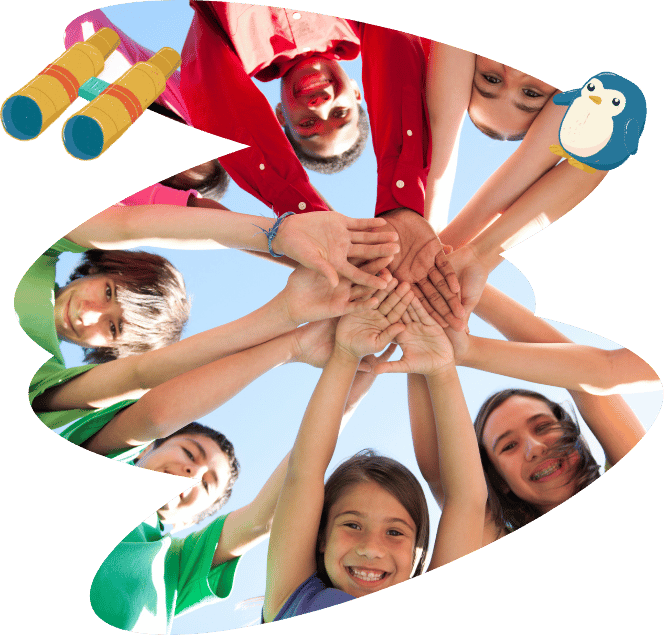
The global success of Waldorf schools reflects the power of slow learning, imagination, emotional balance, and rhythm. The Waldorf approach to learning is built on imitation, hands-on exploration, artistic expression, rhythmic routines, and deep respect for natural development.
Children educated within the Waldorf inspired learning system tend to demonstrate stronger emotional resilience, creative thinking, social intelligence, and lifelong curiosity. These qualities prepare them not only for academic achievement but also for meaningful life success.
Copyright 2026 Waldorf Early Learning Curriculums
