

Waldorf education has gained recognition for its unique approach to teaching and learning, where creativity plays a central role in shaping students’ academic excellence. Unlike traditional educational systems that often focus on rigid curricula and standardized tests, Waldorf schools provide a holistic, child-centered learning environment that integrates artistic, intellectual, and practical disciplines. This method encourages students to become active participants in their own education, fostering creativity, critical thinking, and a love for lifelong learning. In this blog, we will explore how Waldorf schools promote academic excellence through their creative approach, particularly in the context of the Waldorf preschool curriculum.
The Core Philosophy of Waldorf Education
At the heart of Waldorf education is the belief that children’s intellectual, emotional, and social development should be nurtured in tandem. This approach is rooted in the teachings of Rudolf Steiner, an Austrian philosopher who founded the Waldorf education system in the early 20th century. According to Steiner, children go through distinct developmental stages, each of which requires specific types of learning experiences to help them reach their full potential.
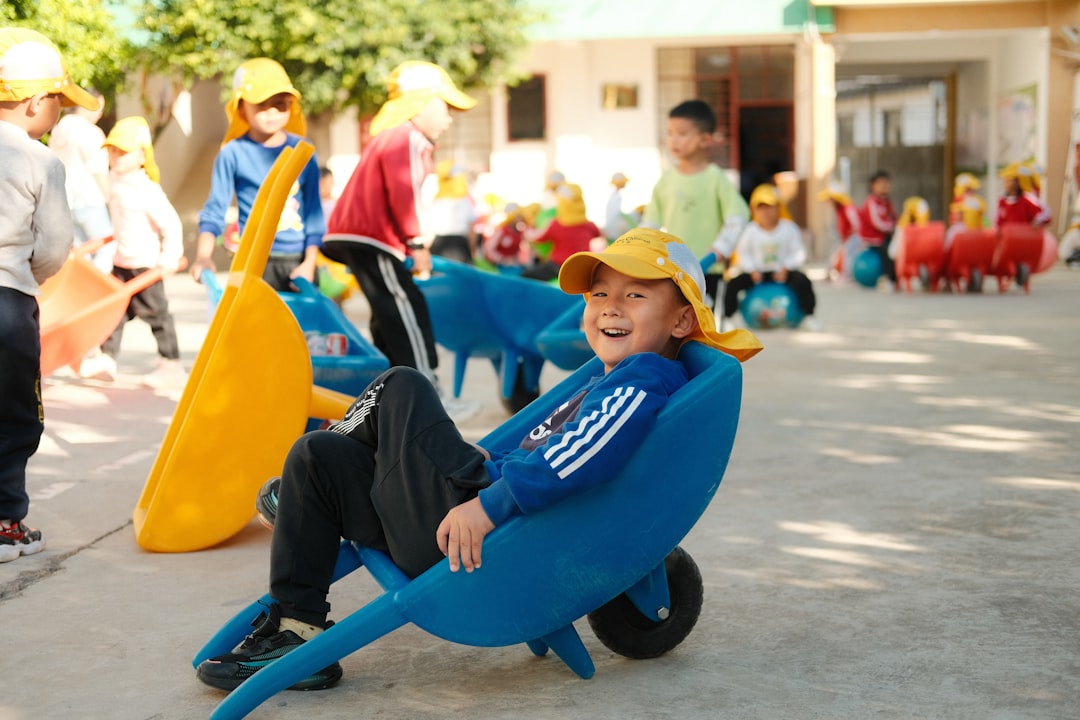
In Waldorf schools, the Waldorf curriculum preschool is designed to meet the unique needs of young children, focusing on imaginative play, sensory exploration, and social interaction. As children move through the grades, the curriculum gradually becomes more academic, but it always maintains an emphasis on creativity, hands-on learning, and personal expression.
The Role of Creativity in Waldorf Education
Creativity is not an isolated subject in Waldorf schools; it is embedded in every aspect of the curriculum. Students are encouraged to engage in artistic activities that support their cognitive development. For example, in Waldorf Early Learning Curriculum, students often learn through storytelling, arts and crafts, music, and drama. This creative approach helps develop not only their intellectual capacities but also their emotional intelligence and social skills.
The Waldorf preschool curriculum is particularly rich in creative expression. Young children are guided through activities that allow them to explore the world through their senses, often engaging in open-ended play. This kind of creative play is essential for developing problem-solving skills, self-regulation, and a strong sense of individuality.
In a typical day at a Waldorf preschool, children may participate in activities such as:
- Storytelling: Teachers tell stories that stimulate the imagination and introduce new concepts, often accompanied by songs or puppet shows.
- Art and Crafts: Children use various materials like clay, paint, and fabric to create their own artwork, encouraging fine motor skills and creativity.
- Movement: Physical activities such as dancing, running, and outdoor exploration allow children to develop coordination, balance, and an appreciation for nature.
Hands-on Learning and Exploration
The Waldorf curriculum places a strong emphasis on hands-on learning, where students actively engage with the material. This is particularly evident in the early years of education, where children explore various subjects through tactile experiences and real-world connections. The Waldorf preschool curriculum focuses on experiential learning rather than abstract concepts, allowing children to build a strong foundation for later academic success.
For instance, children may plant seeds, care for animals, or work with natural materials. These activities not only teach them about the environment but also foster critical thinking and problem-solving abilities. By learning through their senses and hands-on activities, children gain a deeper understanding of the world around them, which promotes academic excellence later on.
Promoting Emotional and Social Development
In Waldorf schools, academic excellence is not solely measured by grades and test scores but by the development of the child’s emotional and social skills. The Waldorf Early Learning Curriculum places great importance on the emotional well-being of children. Teachers are not just instructors but mentors, guiding students through their emotional and social growth.
One of the key principles of Waldorf education is that learning should be joyful. By allowing children to experience the joy of learning through play and creativity, Waldorf schools help build self-confidence, resilience, and empathy. These qualities are essential for long-term academic success, as children who feel secure and supported are more likely to excel in their studies.
The sense of community in Waldorf schools also promotes social development. Children learn to work together, share, and solve problems as a group, fostering a sense of belonging and teamwork. These social skills not only benefit the students during their school years but also prepare them for success in the world beyond the classroom.
Academic Excellence Through Integrated Arts and Sciences
In Waldorf schools, academic subjects such as math, science, and language arts are taught in a creative and integrated way. For example, in the Waldorf preschool curriculum, children may learn math concepts through rhythm, movement, and music. Stories may be used to teach geography or history, bringing these subjects to life in a way that engages the imagination.
This approach helps students connect with the material in a meaningful way. When children see the connections between different subjects and are encouraged to use their creativity to explore these connections, they develop a deeper understanding of the world and their place in it. This integrated approach to learning promotes critical thinking, problem-solving, and analytical skills—key components of academic excellence.
Preparing Students for the Future
Waldorf schools not only focus on academic excellence but also on preparing students for the challenges and opportunities of the future. The Waldorf-inspired learning emphasizes the importance of developing a strong sense of curiosity and a love for learning. By engaging children in creative and hands-on activities, Waldorf schools foster a mindset of lifelong learning.
In addition to intellectual skills, Waldorf education encourages students to develop practical skills that will serve them in their future careers and personal lives. These include:
- Critical thinking: Students are taught to think independently, analyze information, and form their own opinions.
- Problem-solving: Through creative projects and group work, students develop the ability to tackle challenges from different angles.
- Communication: The emphasis on storytelling, discussion, and artistic expression helps students become effective communicators.
By providing students with the tools to think creatively, work collaboratively, and approach challenges with confidence, Waldorf schools set them up for success in both academic and personal pursuits.
Frequently Asked Questions (FAQs)
- What makes Waldorf schools different from traditional schools?
Waldorf schools focus on a holistic approach to education, where creativity, emotional development, and intellectual growth are equally emphasized. Unlike traditional schools, which often focus on standardized testing, Waldorf schools encourage children to learn through play, artistic expression, and hands-on experiences.
- How does the Waldorf preschool curriculum support early childhood development?
The Waldorf preschool curriculum nurtures early childhood development by focusing on imaginative play, social skills, and sensory exploration. Children engage in creative activities like storytelling, music, and crafts, which help develop cognitive, emotional, and physical skills.
- How does Waldorf education promote academic excellence?
Waldorf education promotes academic excellence by integrating creative activities with traditional academic subjects. Through experiential learning, artistic expression, and critical thinking, students develop a deep understanding of the material, which supports long-term academic success.
- Are Waldorf schools only for younger children, or do they offer education through high school?
Waldorf schools offer education from preschool through high school. As students progress through the grades, the curriculum becomes more academically rigorous, but the focus on creativity and hands-on learning remains central to the Waldorf philosophy.
- How can I find a Waldorf school near me?
To find a Waldorf school near you, you can visit the official Waldorf Education website or search for schools in your area. Many Waldorf schools also offer open houses or information sessions where you can learn more about their curriculum and philosophy.
Conclusion
Waldorf schools provide a unique and holistic approach to education that emphasizes creativity, hands-on learning, and emotional development. Through the Waldorf Early Learning Curriculum, young children are allowed to explore the world through imagination and artistic expression, building a strong foundation for academic excellence in later years. By integrating creativity into every aspect of learning, Waldorf schools help foster critical thinking, problem-solving, and a love for learning that will serve students throughout their lives. If you’re looking for an educational environment that nurtures creativity and academic success, a Waldorf school may be the right choice for your child.
